PAST EXPERIENCES AND PATTERNS
HOW YOUR EARLY LIFE STILL SHAPES YOUR DECISIONS
"Just because you can’t see the scar, doesn’t mean the wound isn’t there."
DISCLAIMER
If you’re dealing with deep trauma, this page isn’t a substitute for therapy.
Professional support always comes first.
Speak with a qualified therapist, trauma counsellor or your doctor.
WHY THIS MATTERS
Trauma isn’t always dramatic. It’s not always violence, abandonment, or obvious abuse.
Sometimes, it’s a thousand moments where you felt ignored, unloved, shamed, or forced to grow up too fast. Childhood wounds have a nasty way of showing up later - in how we trust, how we react, how we numb ourselves, and how we sabotage things we actually want.
This page isn’t here to diagnose you.
It’s here to help you notice what might still be shaping your reactions.
It’s here to say: if something doesn’t feel right, you’re not overthinking it.
And you’re not weak for wanting answers.
WHAT YOU'LL FIND ON THIS PAGE
- It's not always about "Big Events" (hint: it’s not always what happened - it’s how it felt)
- Signs old patterns might still be running you
- How wounds can show up in adult behaviour
- First steps toward healing
- Books, videos and support links if you’re ready to go deeper
IT'S NOT ALWAYS ABOUT "BIG EVENTS"
Trauma isn’t just about what happened. It’s about what happened inside you.
It’s the emotional impact of something that overwhelmed your ability to cope or made you feel unsafe - physically or emotionally. That could be anything from neglect, constant criticism, emotional coldness, to chaotic or unsafe home environments.
Types of trauma men often overlook:
- Being “parentified” - forced to be the adult too early
- Emotional neglect - not being seen, heard, or comforted
- Growing up around addiction, mental illness, or violence
- Never being allowed to express emotion or cry
- Always being told to "man up" or "get on with it"
SIGNS OLD PATTERNS MIGHT STILL BE RUNNING YOU
But these subtle signs often point to unresolved trauma:
- Feeling emotionally numb or disconnected
- Trouble trusting others or opening up
- Intense fear of failure or rejection
- Explosive anger or emotional shutdowns
- Sabotaging relationships or success
- Feeling like you're never "enough", no matter what you achieve
HOW IT SHOWS UP IN ADULT LIFE
Unhealed wounds have a habit of leaking out.
They show up in relationships - in the way you push people away before they can hurt you, or cling tightly for fear of being abandoned.
They show up in work - in your drive for success, perfectionism, or fear of being exposed as a fraud.
They show up in coping - through drinking, porn, overworking, or shutting down altogether.
And they show up in silence - in the voice that tells you “don’t talk about this,” or “you should be over this by now.”
FIRST STEPS TOWARDS HEALING
1. NAME IT
2. KNOW IT'S NOT YOUR FAULT
3. START TALKING
4. LEARN TO FEEL AGAIN
5. FOCUS ON SAFETY AND SELF-TRUST
RECOMMENDED READING
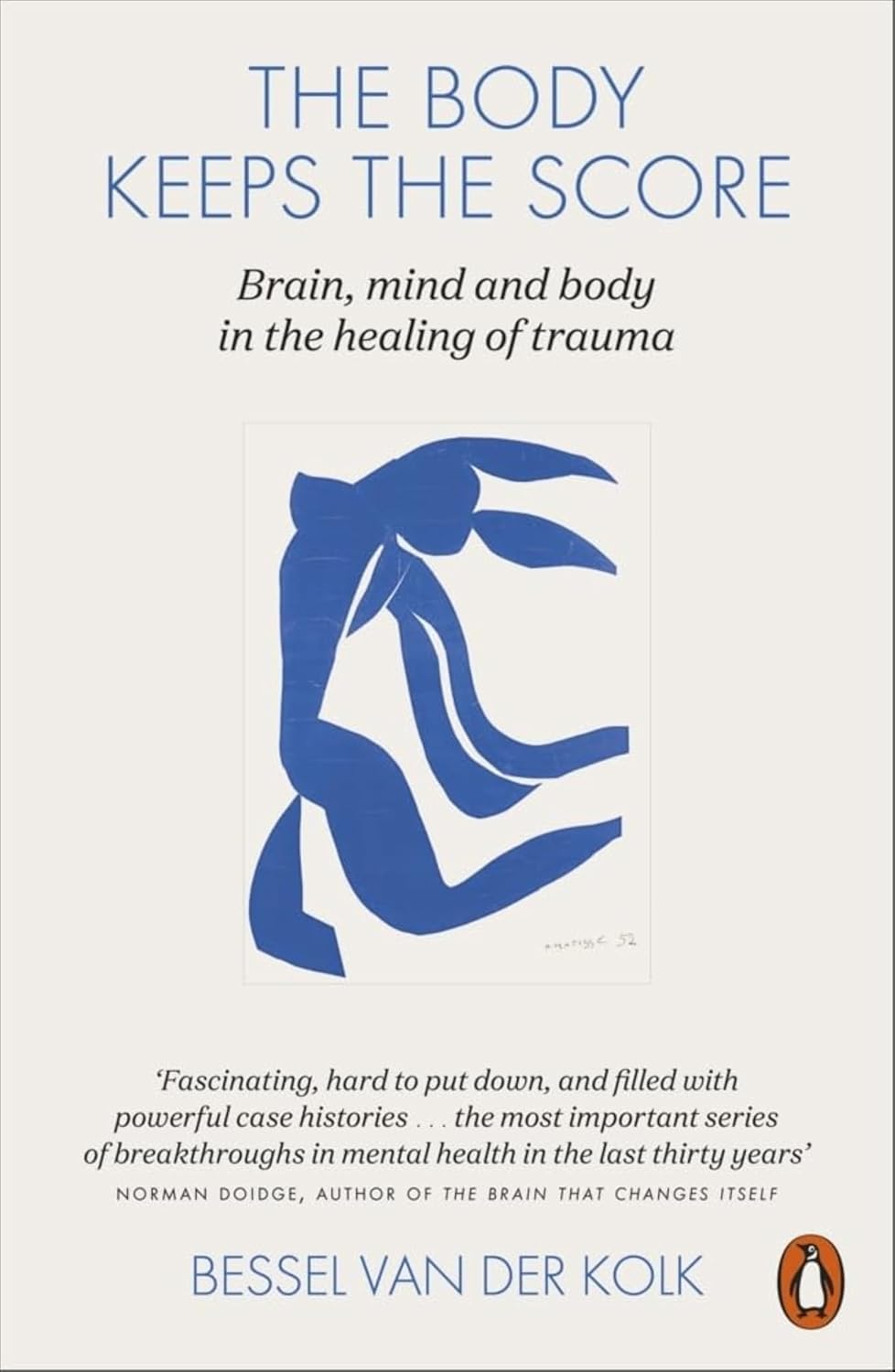

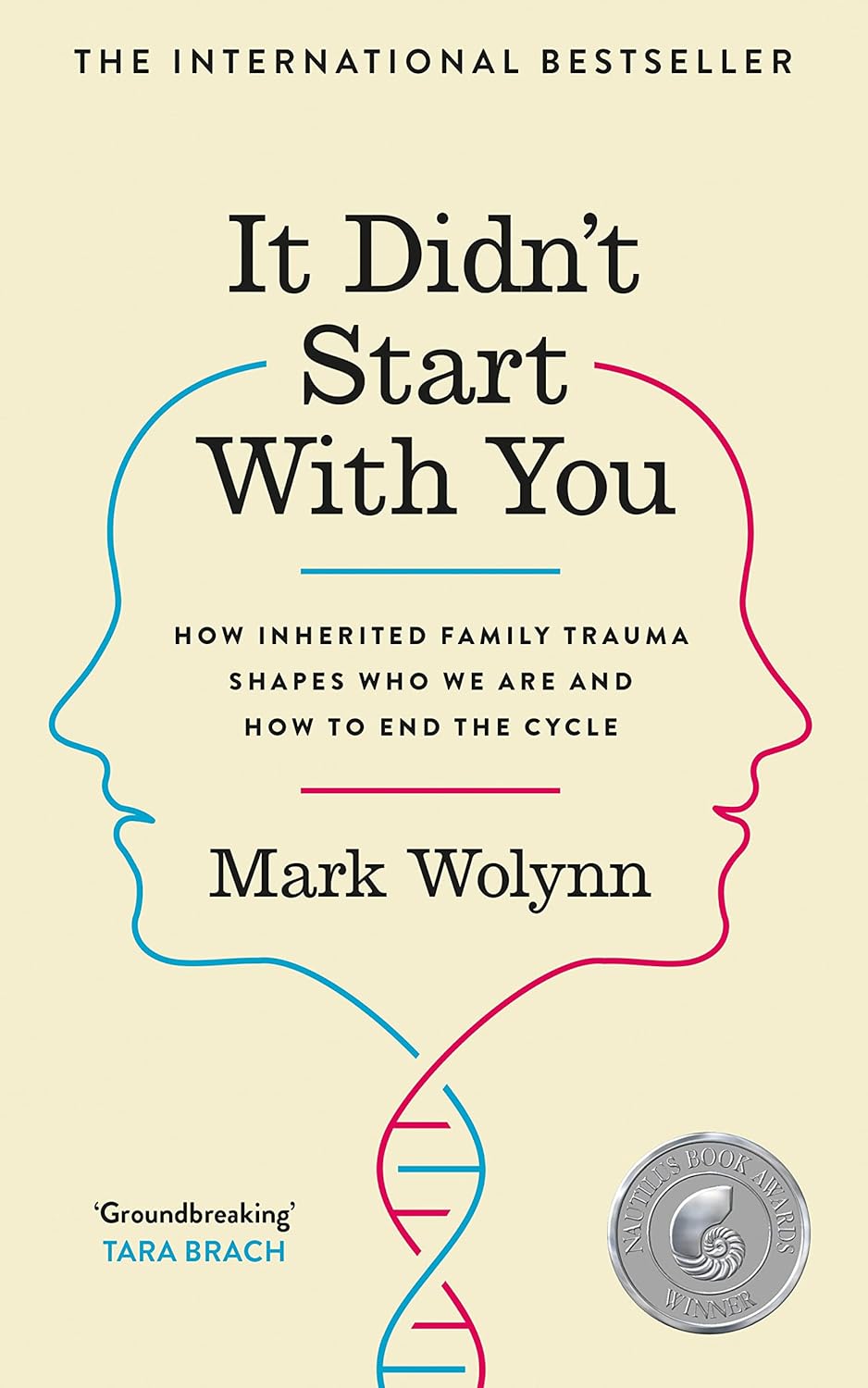
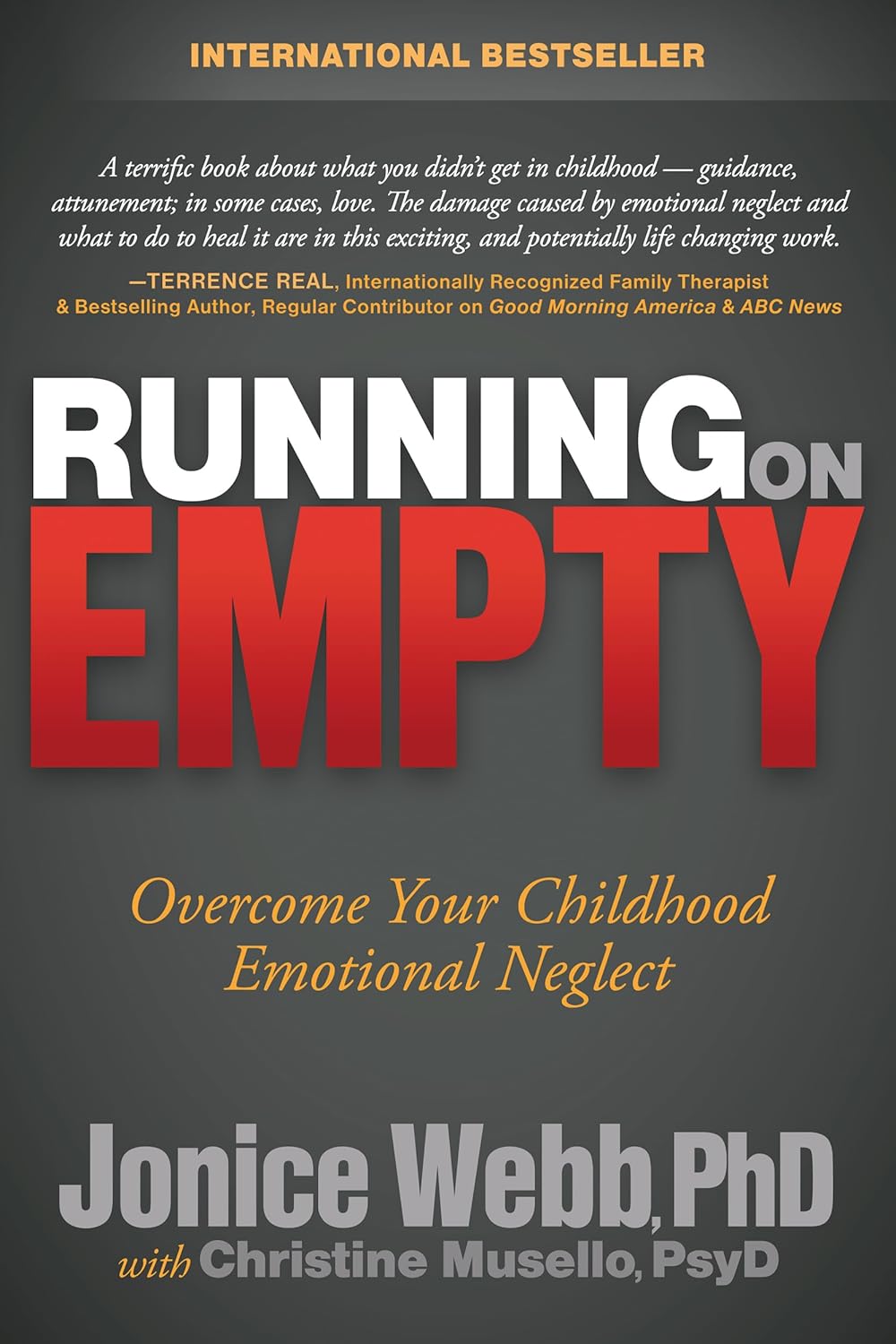
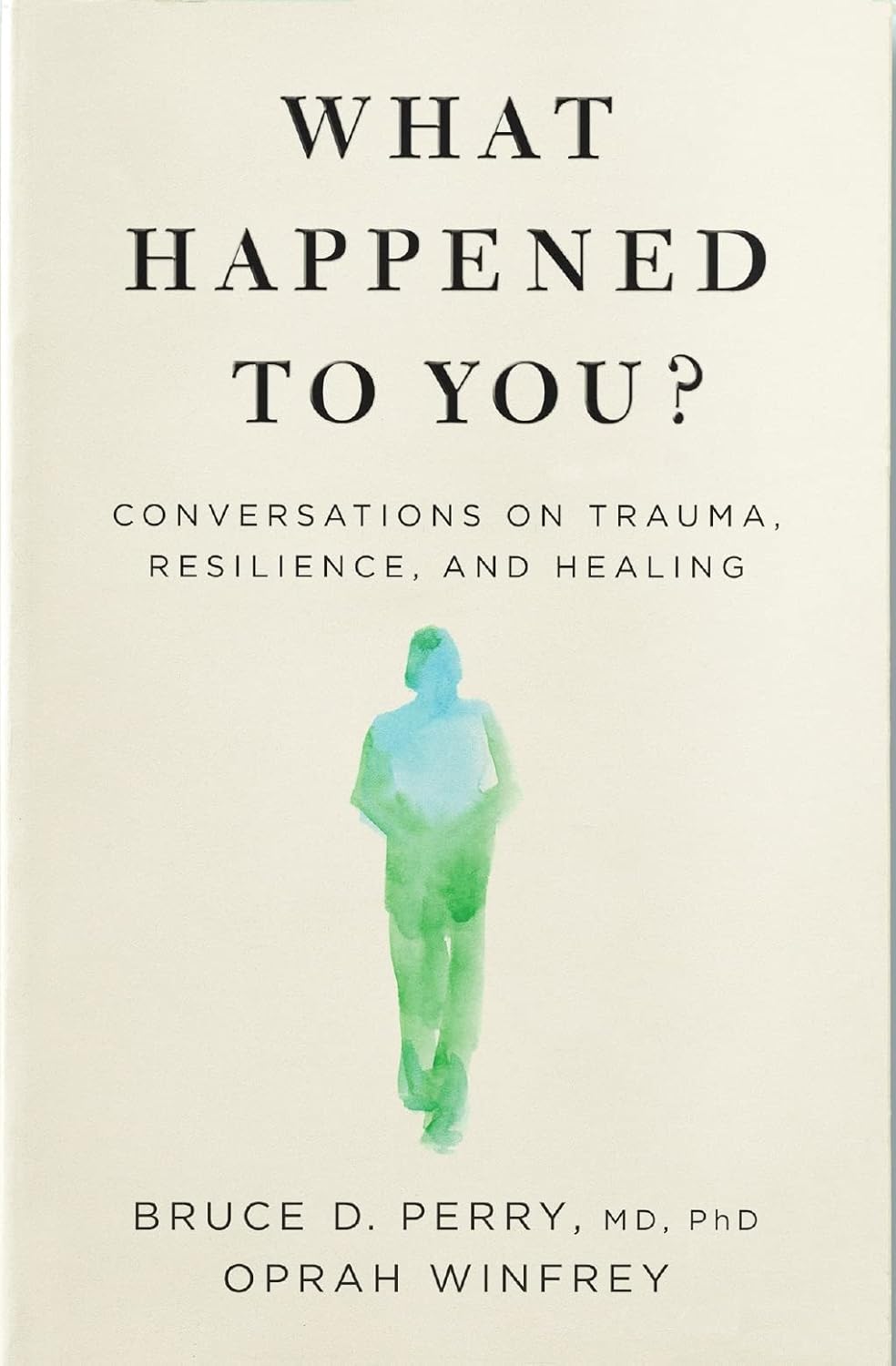
YOUTUBE RESOURCES
WHERE TO GET SUPPORT:
Support for men facing depression, anxiety, or suicidal thoughts.
Helpline: 0800 58 58 58 (5pm - Midnight, 365 days)
www.thecalmzone.net
Information and support for anyone experiencing a mental health problem
Infoline: 0300 123 3393 (9am - 6pm, Mon-Fri)
Email: info@mind.org.uk
www.mind.org.uk
A free, 24/7 listening service for anyone in emotional distress or despair
Helpline: 116 123 (UK and Ireland)
Email: jo@samaritans.org
www.samaritans.org
FINAL WORDS
If any part of this page hit something in you - take it seriously.
You’re not being dramatic. You’re not weak. And you’re certainly not alone.
There’s no timeline for healing, and no shame in needing help.
If anything, facing your past is one of the strongest things a man can do.






Get In Touch